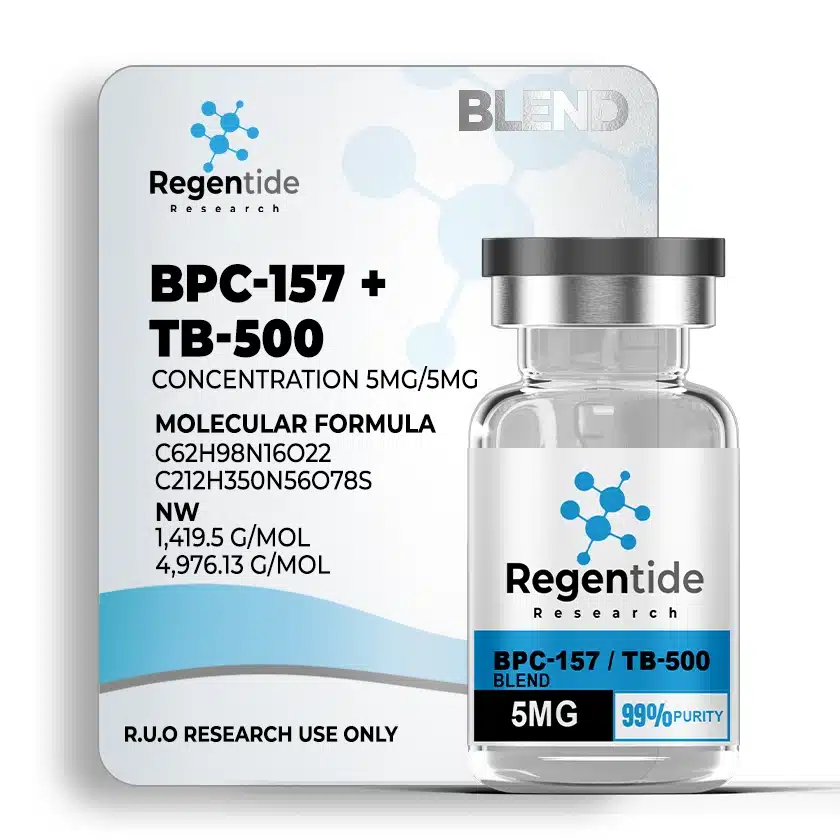
Peptide Testing Significantly, this pureness figure is usually established after purification (e.g. by HPLC) and concentrates on peptide impurities-- it does not count recurring water, salts, or counter-ions in the dried peptide powder. Simply put, the purity percentage has to do with the make-up of peptide types Laboratory Storage in the example, not the weight contribution of water or salts. If you've ever before obtained an artificial peptide for a lab experiment, you've likely discovered a pureness percent on the certification of analysis-- generally values like 95%, 98%, or even 99%. Peptide pureness is a crucial high quality metric that tells you what fraction of a peptide example is the designated item versus undesirable byproducts. In basic terms, a peptide detailed as 95% pure is composed primarily of the target peptide (95%), with the continuing to be ~ 5% composed of impurities. These pollutants can include things like reduced or truncated series, removal versions, oxidized deposits, or other small Article source side-products from the synthesis process. The pureness is after that evaluated as the percentage of the main optimal location versus total locations, offering an exact action of exactly how pure the peptide is [2] Matching HPLC, laboratories utilize Mass Spectrometry (typically coupled as LC-MS) to validate the peptide's molecular weight and sequence identity. Mass spectrometry supplies molecular verification by discovering the exact mass of the peptide and any co-eluting varieties or trimmed series with high precision. With each other, HPLC and MS information enable analysts to validate that the peptide's make-up matches what it must be (correct amino acid series and expected alterations) which no significant impurities exist. Lab recognition of peptides is not just a clinical best practice-- it's frequently a regulatory requirement when peptides are made use of in healing advancement or professional study. FDA and the European EMA have established guidelines mandating extensive analysis and quality control for peptide items to make certain safety and security and effectivenessr.
Total Checklist Of The Leading 100 Peptide Vendors
Plainly, there is a lot more than 5mg of "stuff" in that vial. While identity, amount, and sterility are uncomplicated and important, purity is not something that is being totally & properly examined today and is supplying an incorrect complacency to customers in this space. Confirm the safety and security and efficacy of your reconstitution service.Where can I send my peptides to evaluate for purity?
ACS Peptide Testing Labs is an expert peptide analysis lab that approves examples from all 50 states. Whether you require to evaluate peptide pureness, confirm a vendor''s Certificate of Analysis, or run extensive pollutant testing, our laboratory offers quick, accurate outcomes with comprehensive coverage.
Electronic Confirmation (Needed)
Yet these COAs typically originate from the vendor's very own screening, developing a noticeable conflict of rate of interest. Also when vendors declare third-party screening, verifying those cases calls for effort most buyers do not make. Scientists typically evaluate mass spectrometry results alongside HPLC data to construct a much more full understanding of item top quality. As the research study peptide sector continues to grow, recognizing just how peptide pureness testing functions can assist scientists make even more informed sourcing decisions and better assess supplier openness. Impurities aren't simply inactive fillers; they can actively hinder your work. Any significant discrepancy recommends the sample isn't the asserted peptide. If you think 100% content when the real web content is 75%, your calculated doses are 25% less than planned. This describes why some researchers report weaker results than anticipated regardless of adhering to released protocols. ESI-MS (Electrospray Ionization Mass Spectrometry) creates multiply-charged ions, which makes it possible for analysis of larger peptides and supplies greater sensitivity. ESI is commonly paired with fluid chromatography (LC-MS), incorporating separation and recognition in a solitary analysis. The repercussions mediocre peptides expand past squandered money.- If you dissolve a 5 mg vial thinking all 5 mg is energetic peptide, your molar concentration will certainly be incorrect.If topping isn't flawlessly reliable, an uncoupled chain can remain to lengthen in succeeding actions, producing a peptide that's just one residue except the target.For research-grade peptide credentials, HPLC and LC-MS/ESI-MS response different inquiries and need to read with each other.It works as a reminder and lawful disclaimer that the item is not a therapeutic or palatable.The outcome is a peptide that's shorter than meant-- missing out on several amino acids.